Introduction
A cancer diagnosis can feel overwhelming for any family. It marks the beginning of a journey filled with uncertainty, difficult decisions, and emotional challenges. However, it is also a journey that can lead to hope, resilience, and recovery when the right care and support systems are in place.
Understanding this journey helps families feel more prepared and highlights the importance of comprehensive cancer care.
The Moment of Diagnosis
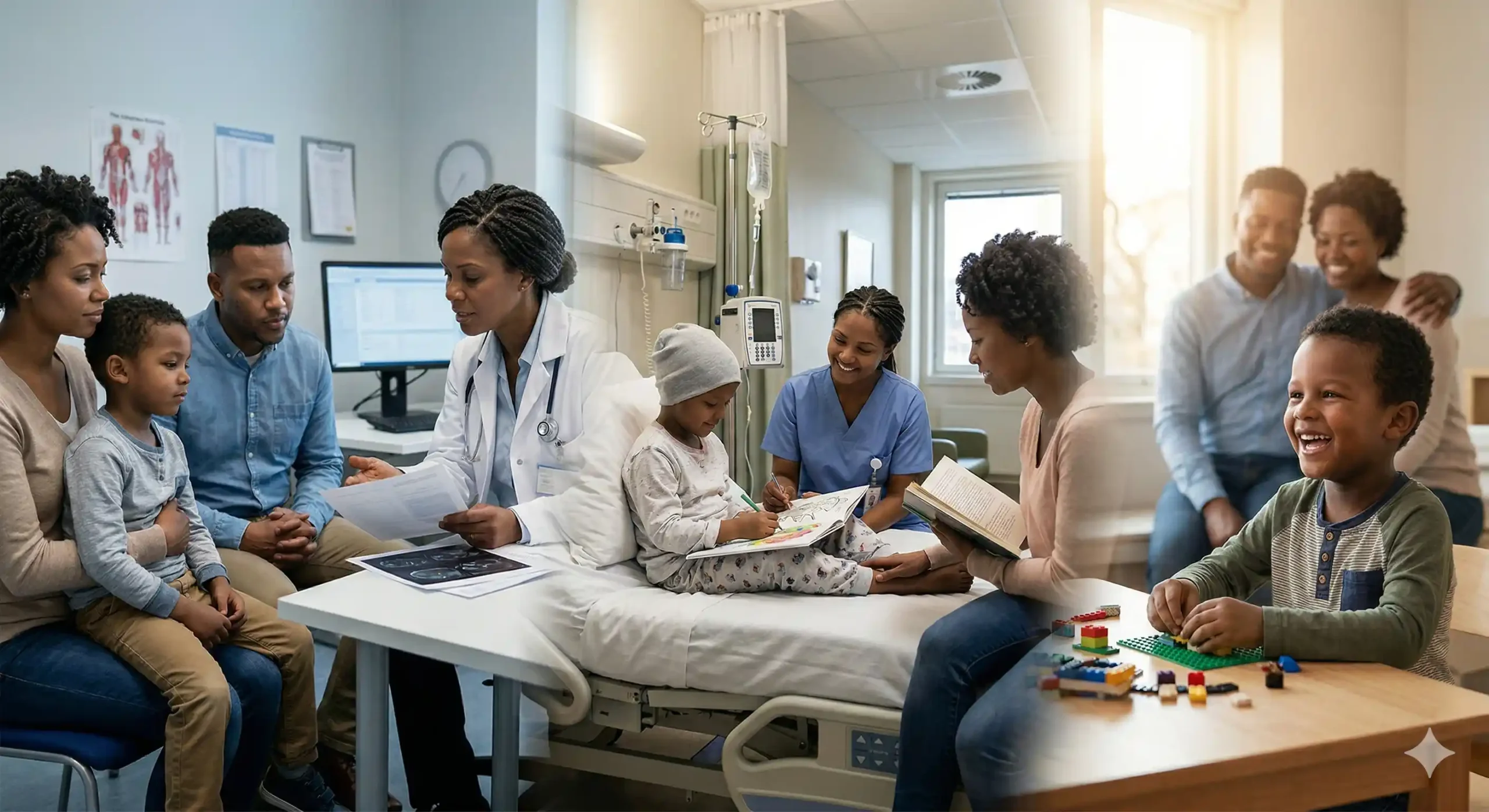
The journey often begins with the discovery of unusual symptoms. After medical tests and evaluations, a diagnosis is made. For many families, this moment brings shock, fear, and confusion.
Parents are faced with questions about treatment options, survival chances, and how to support their child. Clear communication from healthcare professionals during this stage is essential in helping families understand the path ahead.
Beginning Treatment
Once a diagnosis is confirmed, treatment begins. This may include chemotherapy, surgery, radiation, or a combination of approaches depending on the type and stage of cancer.
Treatment can be physically demanding for the child and emotionally challenging for the entire family. Side effects such as fatigue, pain, and changes in appearance can affect a child’s well-being.
Consistent medical care and emotional support are critical during this phase.
The Role of Family Support
Family plays a central role throughout the treatment journey. Parents and caregivers provide comfort, encouragement, and stability during a difficult time.
Siblings may also need support as they adjust to changes in family dynamics. Open communication and emotional care help maintain a sense of unity and strength within the family.
Support systems that include counseling and community assistance can make a significant difference.
Challenges Along the Way
The journey is rarely straightforward. Families may face financial difficulties, long travel distances to treatment centers, and disruptions to daily life.
Children may miss school and social activities, while parents balance caregiving with other responsibilities. These challenges can add stress and uncertainty to an already difficult situation.
Addressing these obstacles requires a holistic approach that goes beyond medical treatment.
Moments of Progress and Hope
Throughout the journey, there are important milestones. Positive responses to treatment, improved health, and moments of normalcy bring hope to families.
Healthcare teams often celebrate small victories with patients, reinforcing a sense of progress. These moments remind families that recovery is possible.
Hope becomes a powerful source of strength.
Life After Treatment
For those who complete treatment, a new phase begins. Survivorship comes with its own challenges, including follow-up care, emotional recovery, and reintegration into daily life.
Children may return to school, rebuild friendships, and pursue their goals. Continued support is important to help them transition into this new chapter.
Programs such as counseling and educational support play a key role in long-term recovery.
Conclusion
The journey through pediatric cancer care is complex and deeply personal. It involves moments of fear, strength, challenge, and hope.
With access to quality medical care and strong support systems, families can navigate this journey with resilience. By improving awareness and expanding support, more children can move from diagnosis to recovery and build brighter futures.