Introduction
Medical research plays a critical role in improving how cancer is diagnosed, treated, and managed. Over the years, advancements in research have significantly increased survival rates for many types of childhood cancers. However, these improvements are not yet fully accessible in many parts of the world.
Investing in research is essential to developing better treatments, understanding disease patterns, and ensuring that progress benefits children everywhere.
Understanding Pediatric Cancer Through Research
Pediatric cancers differ from adult cancers in how they develop and respond to treatment. Research helps scientists and medical professionals better understand these differences.
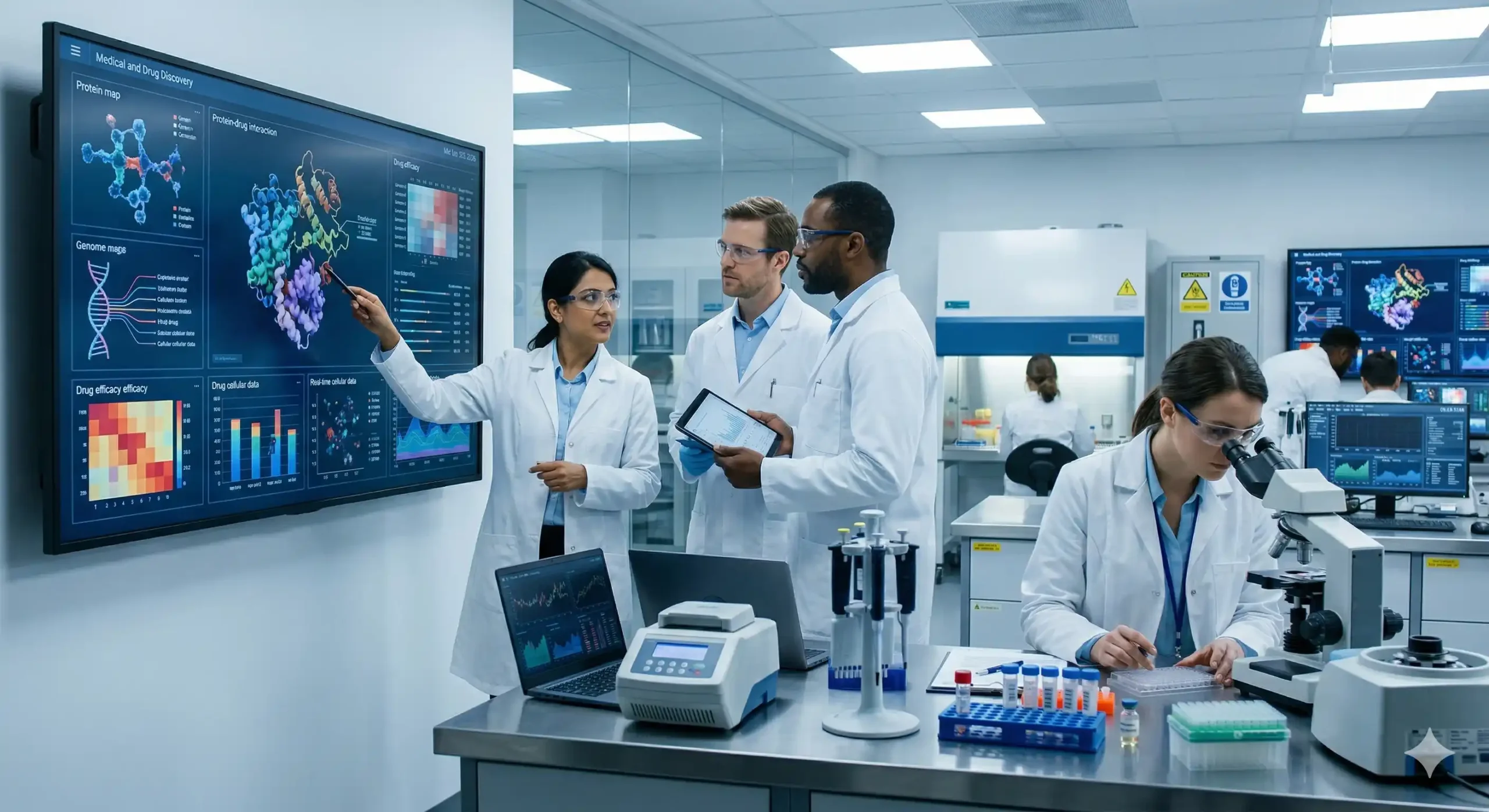
Through clinical studies and data analysis, researchers can identify the causes, risk factors, and biological behavior of various cancers. This knowledge allows for more accurate diagnosis and more effective treatment plans tailored to children.
Without continuous research, treatment methods would remain limited and less effective.
Development of Better Treatment Methods
One of the most important outcomes of research is the development of improved treatment options. Advances in chemotherapy, targeted therapy, and immunotherapy have made treatments more effective and, in some cases, less harmful.
Research also focuses on reducing side effects and improving the quality of life for patients during and after treatment. This is especially important for children, whose bodies are still developing.
As new treatments are discovered, survival rates continue to improve.
Importance of Region-Specific Research
Cancer does not affect all populations in the same way. Environmental factors, genetics, and healthcare systems can influence how diseases develop and respond to treatment.
Region-specific research is important for understanding the unique challenges faced in different parts of the world. In many African regions, limited data means that treatment approaches are often based on research conducted elsewhere.
By investing in local research, healthcare providers can develop solutions that are more relevant and effective for their communities.
Strengthening Healthcare Systems Through Research
Research does more than improve treatment. It also strengthens healthcare systems by introducing better diagnostic tools, improving medical protocols, and training healthcare professionals.
Hospitals and treatment centers that engage in research tend to provide higher-quality care because they stay updated with the latest medical advancements.
This creates a cycle where research improves care, and improved care supports further research.
Collaboration and Knowledge Sharing
Global collaboration is essential in advancing pediatric cancer research. Partnerships between hospitals, universities, and research institutions allow for the sharing of knowledge, resources, and expertise.
These collaborations help accelerate discoveries and ensure that advancements reach more patients. They also provide opportunities for training and capacity building in underserved regions.
Working together increases the overall impact of research efforts.
Looking Toward the Future
The future of pediatric cancer care depends heavily on continued investment in research. As technology advances, new possibilities are emerging in areas such as precision medicine and early detection.
Expanding research efforts in underserved regions will be key to ensuring that these advancements benefit all children, regardless of location.
Organizations that support research play an important role in shaping this future.
Conclusion
Research is a driving force behind progress in pediatric cancer care. It leads to better treatments, improved survival rates, and stronger healthcare systems.
By supporting research initiatives, we move closer to a future where every child has access to effective and life-saving care. Continued investment and collaboration will be essential in making this vision a reality.