Introduction
Awareness is one of the most powerful tools in the fight against childhood cancer. In many communities, a lack of information and understanding continues to delay diagnosis and limit access to care. By breaking the silence around cancer, we create opportunities for early detection, better treatment, and stronger support systems.
Raising awareness is not just about sharing information. It is about changing perceptions, encouraging action, and saving lives.
The Impact of Low Awareness
In many regions, childhood cancer is not widely understood. Symptoms are often mistaken for common illnesses, leading to delays in seeking medical attention.
This lack of awareness can result in:
- Late diagnosis
- Limited treatment options
- Increased complications
- Lower survival rates
When communities are not informed, opportunities for early intervention are lost.
Overcoming Stigma and Misconceptions
Cancer is sometimes surrounded by fear, stigma, or misinformation. In some communities, it may be misunderstood or associated with myths that discourage families from seeking proper medical care.
Breaking these misconceptions is essential. Open conversations about cancer help normalize the topic and encourage families to seek help without fear or hesitation.
Education helps replace fear with understanding.
Promoting Early Detection
Awareness plays a critical role in early detection. When parents, caregivers, and community members understand the warning signs of cancer, they are more likely to seek medical advice promptly.
Early detection increases the chances of successful treatment and can significantly improve outcomes for children.
Educational campaigns, school programs, and community outreach efforts are effective ways to spread this knowledge.
Empowering Communities Through Education
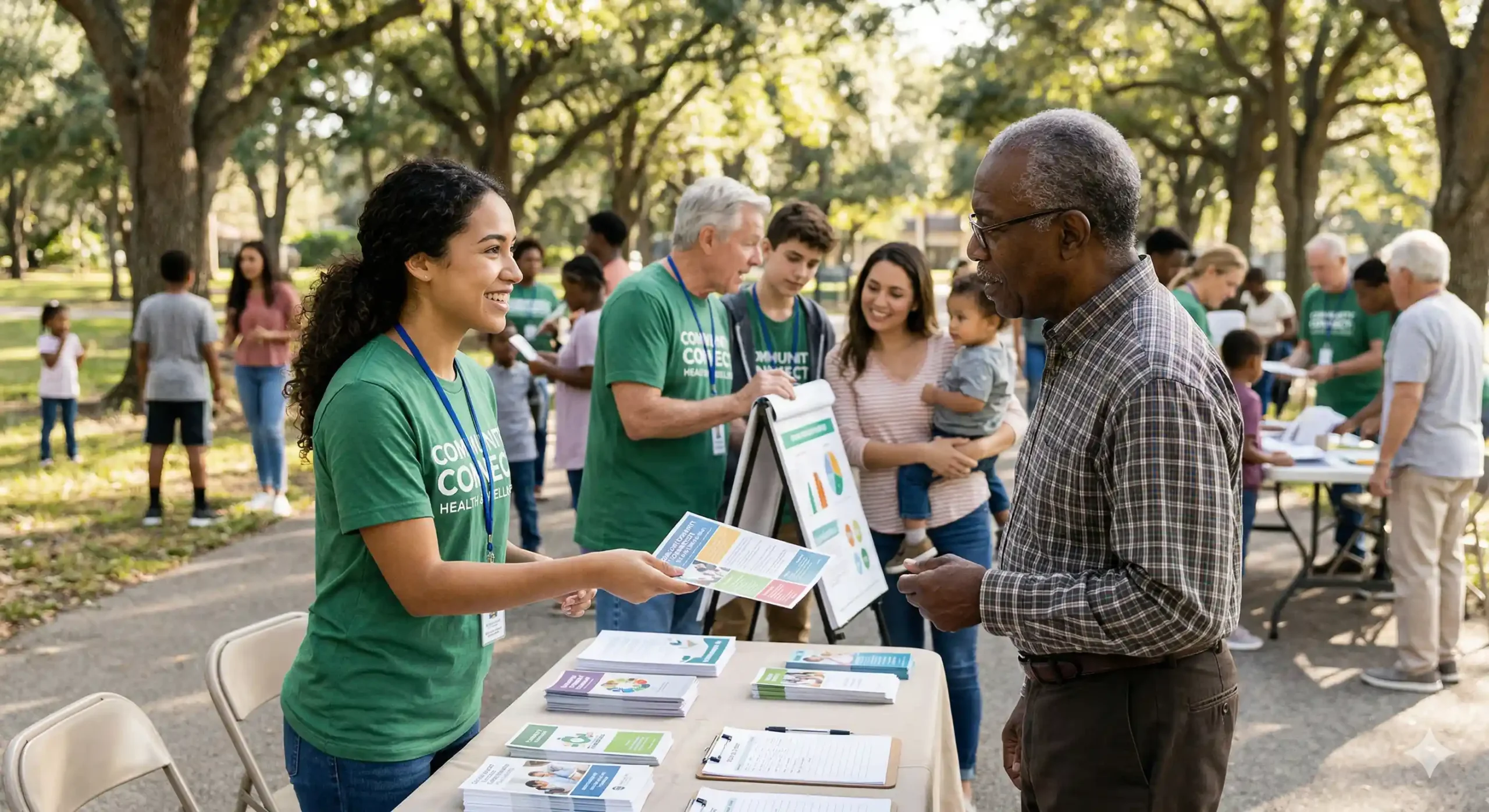
Awareness empowers individuals and communities to take action. When people are informed, they can support one another, advocate for better healthcare services, and participate in initiatives that improve access to care.
Community education programs can:
- Teach early warning signs
- Encourage regular medical check-ups
- Promote healthy behaviors
- Strengthen support networks
An informed community is better equipped to respond to health challenges.
The Role of Awareness Campaigns
Organized awareness campaigns help bring attention to childhood cancer on a larger scale. These campaigns can reach a wide audience through media, events, and partnerships.
They also provide opportunities to:
- Share real stories and experiences
- Mobilize community support
- Encourage donations and volunteering
- Advocate for policy and healthcare improvements
Consistent awareness efforts help keep the conversation active and impactful.
A Shared Responsibility
Raising awareness is a shared responsibility. Individuals, organizations, healthcare providers, and governments all play a role in ensuring that accurate information reaches communities.
Every conversation, campaign, and educational effort contributes to a broader understanding of childhood cancer.
Small actions can lead to significant change.
Conclusion
Breaking the silence around childhood cancer is essential for improving outcomes and saving lives. Awareness leads to early detection, reduces stigma, and strengthens support systems.
By continuing to educate and engage communities, we move closer to a future where every child has access to timely care and the opportunity for a healthier life.