Introduction
Access to quality cancer care remains a major challenge across many parts of Africa. While global advancements in medicine have improved survival rates, these benefits are not evenly distributed. In many regions, patients still struggle to receive timely diagnosis, proper treatment, and continuous care.
Understanding these challenges is essential to building solutions that can improve outcomes and save lives.
Limited Healthcare Infrastructure
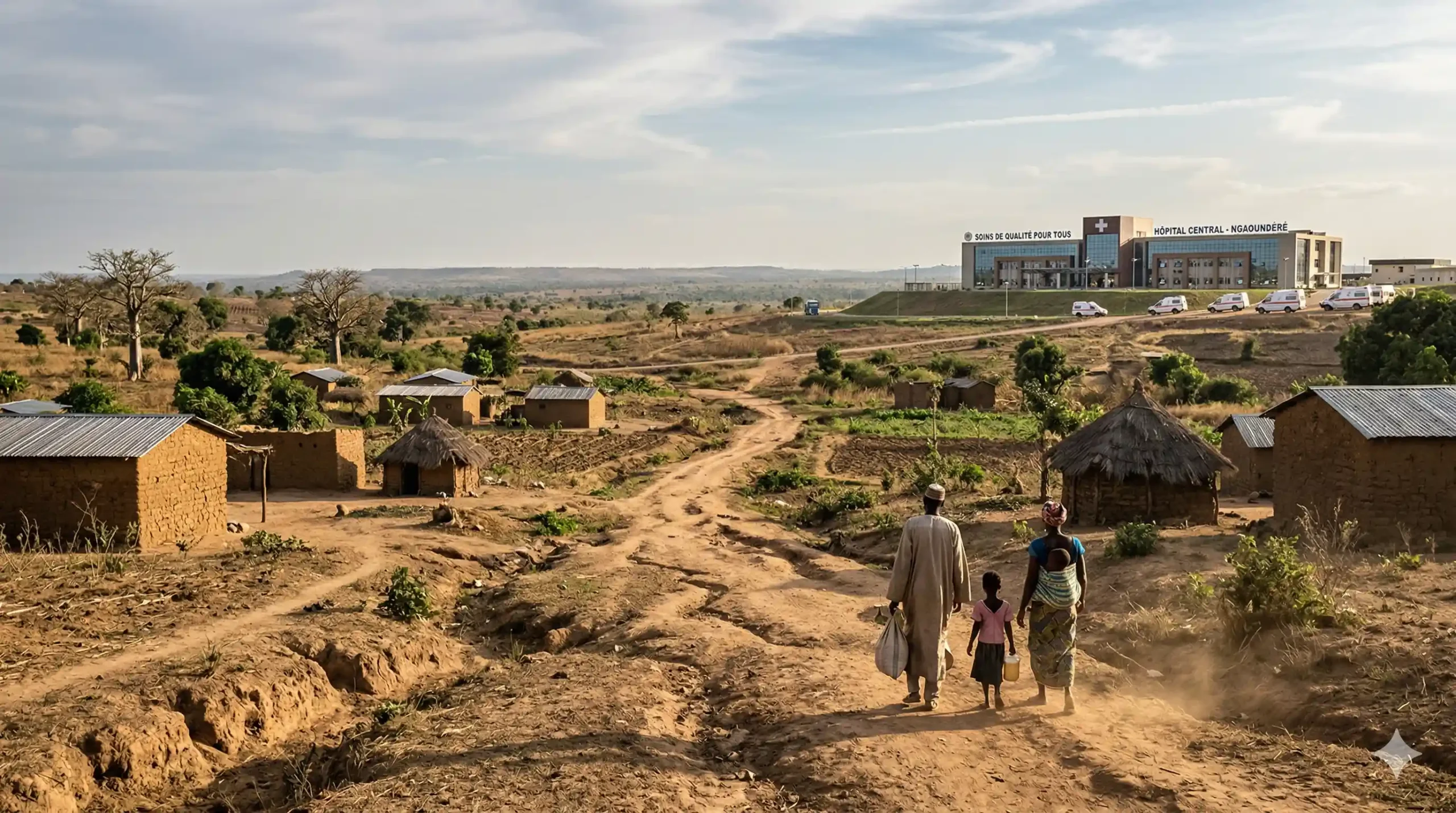
One of the most significant barriers is the lack of specialized healthcare facilities. Many countries have few or no dedicated cancer treatment centers, especially for pediatric care.
Patients often need to travel long distances to access treatment, which can delay diagnosis and care. In some cases, the nearest facility may be in another city or even another country.
This gap in infrastructure makes it difficult for patients to receive consistent and effective treatment.
Shortage of Trained Specialists
Cancer care requires highly trained professionals, including oncologists, surgeons, radiologists, and specialized nurses. Unfortunately, there is a shortage of these experts in many African countries.
Healthcare workers are often overwhelmed, managing large numbers of patients with limited resources. This affects the quality of care and increases waiting times for diagnosis and treatment.
Investing in medical training and education is critical to addressing this gap.
High Cost of Treatment
Cancer treatment can be expensive, and many families cannot afford it. In regions where health insurance coverage is limited or unavailable, patients must pay out of pocket.
Costs can include:
- Diagnostic tests
- Medication and chemotherapy
- Surgery and hospital stays
- Transportation and accommodation
These expenses can force families to delay or stop treatment altogether.
Late Diagnosis
Many cancer cases in Africa are diagnosed at advanced stages. This is often due to low awareness, limited screening programs, and difficulty accessing healthcare services.
Early symptoms are frequently mistaken for common illnesses, leading to delays in seeking medical attention.
Late diagnosis reduces the chances of successful treatment and increases the complexity of care required.
Limited Access to Essential Equipment
Effective cancer treatment relies on modern medical equipment such as imaging machines, laboratory tools, and radiation therapy units. In many regions, these resources are either unavailable or insufficient.
Even when equipment exists, maintenance and operational challenges can limit its use. This further restricts access to accurate diagnosis and effective treatment.
The Role of Awareness and Education
Lack of awareness plays a major role in delayed diagnosis and treatment. Many communities are not familiar with cancer symptoms or the importance of early detection.
Educational programs can help individuals recognize warning signs and seek medical care sooner. Awareness also helps reduce stigma and encourages open conversations about cancer.
Moving Toward Solutions
Improving access to cancer care requires a comprehensive approach. This includes:
- Building specialized treatment centers
- Training healthcare professionals
- Investing in medical equipment
- Expanding awareness programs
- Supporting families financially and emotionally
Collaboration between governments, organizations, and global partners is essential to create lasting change.
Conclusion
Access to quality cancer care in Africa remains a challenge, but it is not insurmountable. With the right investments, partnerships, and commitment, it is possible to build stronger healthcare systems that serve all patients effectively.
Improving access is not just a healthcare goal. It is a step toward equity, dignity, and better outcomes for communities across the continent.