Introduction
When a child is diagnosed with cancer, the immediate focus is often on medical treatment. However, beyond hospital visits and medication lies a deeper reality that many families face. Cancer does not only affect the patient. It impacts the entire family emotionally, financially, and socially.
Understanding these hidden costs is essential to truly grasp the full burden of the disease.
Financial Strain on Families
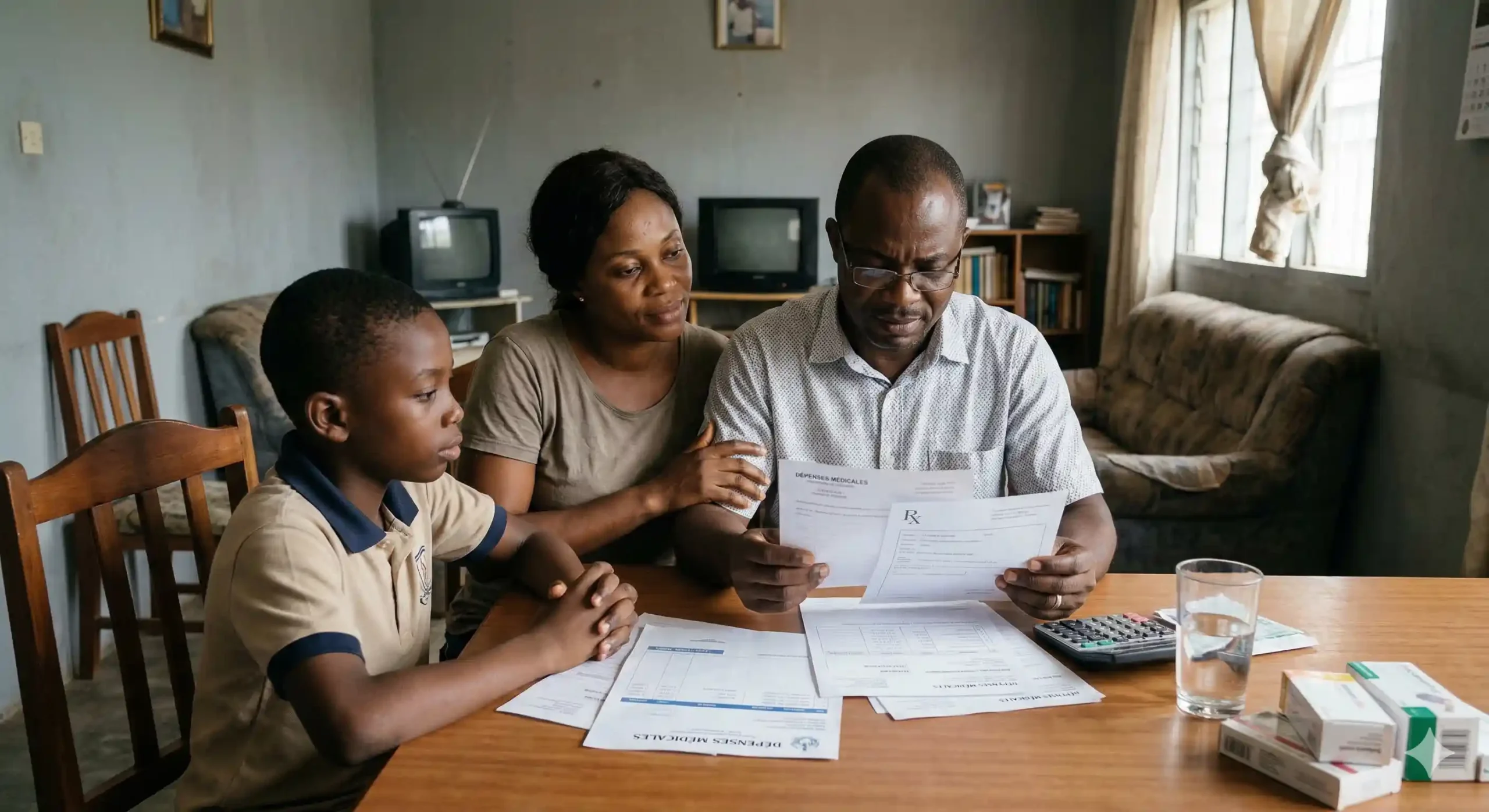
Cancer treatment can be expensive, especially in regions where healthcare systems are limited. Families often face costs related to medication, hospital stays, transportation, and ongoing care.
Many parents are forced to reduce working hours or stop working entirely to care for their child. This loss of income, combined with rising medical expenses, creates significant financial pressure.
In some cases, families may sell assets, take loans, or depend on community support just to continue treatment. Without external assistance, this burden can become overwhelming.
Emotional and Psychological Impact
A cancer diagnosis brings fear, uncertainty, and stress. Parents often struggle with anxiety about their child’s condition, while trying to remain strong and supportive.
Children themselves may experience fear, confusion, and emotional distress. They may not fully understand what is happening but can sense the changes around them.
Siblings are also affected. They may feel neglected or worried, leading to emotional imbalance within the family.
Without proper counseling and emotional support, these challenges can have long-term psychological effects.
Disruption of Daily Life
Cancer treatment often requires frequent hospital visits and long stays away from home. This disrupts routines, schooling, and social life.
Children may miss months or even years of education, affecting their academic progress and future opportunities.
Families may have to relocate temporarily to be closer to treatment centers, leaving behind jobs, communities, and support systems.
The normal structure of daily life is replaced by uncertainty and constant adjustment.
Social Isolation
Families dealing with cancer can feel isolated from their communities. The demands of caregiving, combined with emotional stress, often limit social interactions.
In some cases, stigma or lack of understanding within communities can make the situation even more difficult. Families may withdraw or feel unsupported during one of the most challenging periods of their lives.
Building awareness and community support systems is essential to reduce this sense of isolation.
The Importance of Holistic Support
Addressing cancer effectively requires more than medical treatment. Families need support systems that consider their emotional, financial, and social well-being.
Holistic support can include:
- Financial assistance for treatment and daily needs
- Counseling and mental health services
- Temporary accommodation for families traveling long distances
- Educational support for children during and after treatment
These services help reduce the burden on families and allow them to focus on care and recovery.
A Collective Responsibility
The hidden costs of cancer highlight the importance of collective action. Governments, organizations, and communities all have a role to play in supporting affected families.
By contributing to support programs, raising awareness, and advocating for better healthcare systems, individuals can help ease the burden faced by families.
Every effort, no matter how small, can make a meaningful difference.
Conclusion
Cancer affects more than the patient. It reshapes the lives of entire families, bringing challenges that go far beyond treatment.
Recognizing these hidden costs is the first step toward building a more compassionate and supportive system of care. With the right support, families can navigate these challenges with strength and hope.